Mindoro State University (MinSU) continues its commitment to the United Nations Sustainable Development Goal (SDG) 12, ensuring sustainable consumption and production patterns. Through ongoing food production and greening programs, the university is taking significant steps to reduce food loss and promote sustainability in agriculture, while supporting the local community's development.
MinSU’s engagement in sustainability initiatives is exemplified through its partnerships with several government agencies and its ongoing projects aimed at optimizing farm production and enhancing food security. For 2023, these are the partnerships addressing SDG 12:
Strengthening Smart Rice Agriculture
MinSU recently signed a Memorandum of Agreement (MOA) with the Agricultural Training Institute (ATI-MIMAROPA) for the implementation of the School-On-the-Air on Smart Rice Agriculture (SOA-SRA) program. This project seeks to unify radio programs by the Department of Agriculture (DA), focusing on cutting-edge technologies and approaches that help optimize farm yields in Oriental Mindoro’s medium and low-yielding provinces. By addressing location-specific constraints and reducing production costs, the project supports climate-smart rice agriculture, thus improving rice farmers’ productivity and profitability.
Scaling-Out Rice Crop Management
Another significant collaboration involves the DA-Bureau of Agricultural Research (DA-BAR) through the Scaling-Out the Rice Crop Manager (RCM) Through State Universities and Colleges (SUCs) Extension and Instruction-MinSU Component.
This project supports the Philippine Rice Industry Roadmap 2030, which aims to boost rice production, enhance competitiveness, and reduce farm production costs. By implementing the RCM, MinSU will help increase average rice yields and lower production costs, significantly benefiting farmers in the region.
Promoting Food Security and Agricultural Productivity
In line with Executive Order No. 114, which institutionalizes the Balik Probinsya, Bagong Pag-asa (BP2) program, MinSU is also collaborating with the Department of Agriculture – Regional Field Office (DA-RFO-MIMAROPA) on initiatives that address food security and agricultural productivity. Through this partnership, MinSU supports rural economic transformation and assists vulnerable populations in returning to their home provinces, offering training and support in agriculture to improve their livelihoods.
Upgrading Brackishwater Fishponds
Another important project under the DA’s Masaganang Ani at Mataas na Kita program is the upgrading of brackishwater fishponds at MinSU’s Bongabong Campus. This initiative is aligned with the DA’s vision of a Food Secure Philippines with Prosperous Farmers and Fisherfolk. By increasing agricultural and aquaculture productivity, this project seeks to empower local farmers and fisherfolk, ensuring long-term sustainability and resilience in the region.
Greening Initiatives and Bamboo Plantation
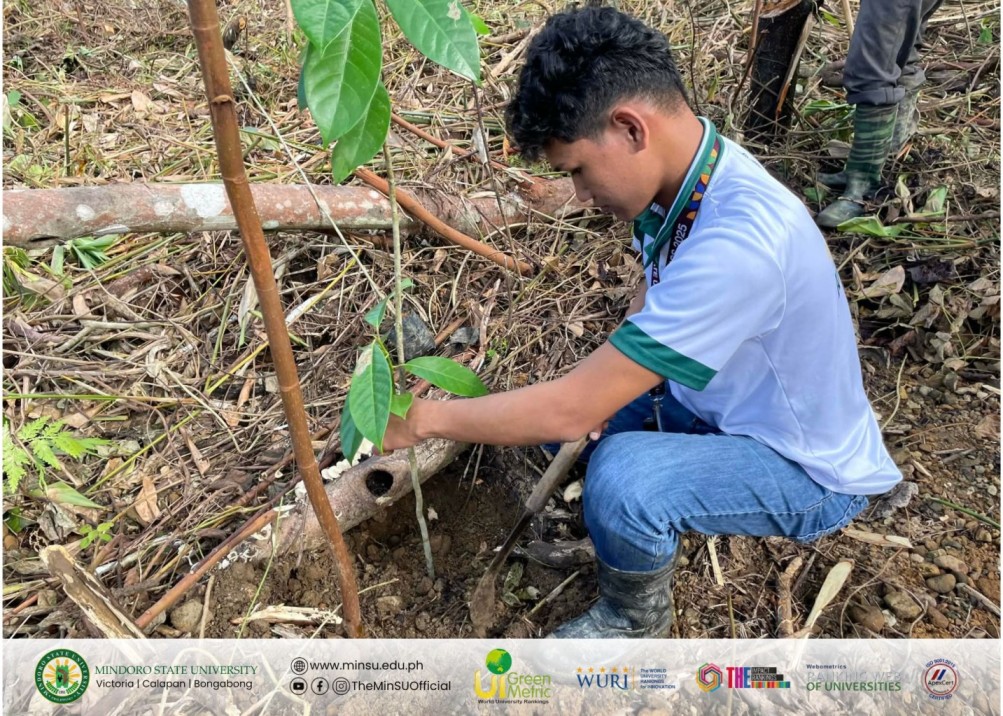
MinSU is also actively participating in the government’s greening programs, taking initial steps toward the establishment of a bamboo plantation project. The university is in the process of developing a ten-hectare bamboo production and nursery project that will contribute to environmental sustainability and provide additional resources for local communities. Coordination meetings are currently ongoing to finalize the project proposal.
Coconut Plantation for Sustainable Income
As part of its ongoing efforts to support sustainable agricultural practices, MinSU has also embarked on a coconut plantation project in collaboration with the Philippine Coconut Authority (PCA). The project, approved by the MinSU Governing Board, aims to plant coconut trees on a ten-hectare plot within the university’s reservation area in Victoria, Oriental Mindoro. This initiative not only contributes to the greening of the environment but also provides potential income through the sale of coconut planting materials and products.
Continuous Development for a Sustainable Future
MinSU’s initiatives reflect a comprehensive approach to sustainable consumption and production, with projects designed to enhance agricultural productivity, support local communities, and contribute to environmental sustainability. Through these efforts, the university aims to improve the quality of life for its stakeholders and support the sustainable development goals at the local and national levels.
As Mindoro State University continues to engage in various sustainable practices, it remains dedicated to driving positive change for the province and beyond, ensuring a greener, more resilient future for generations to come.