The MT Princess Empress oil spill, which occurred on February 28, 2023, in the coastal waters of Naujan, Oriental Mindoro, released 800,000 liters of industrial fuel oil, leading to widespread ecological damage across the region. Among the municipalities most severely impacted by the spill is Pola, which was declared under a state of calamity on March 3, 2023, due to significant ecological harm. The rocky intertidal zone, one of the most fragile marine ecosystems, is at the heart of the ongoing ecological concerns triggered by the disaster.
In response to the environmental crisis, a collaborative study was conducted by the University of the Philippines Visayas (UPV) and Mindoro State University (MinSU) to assess the spill’s effects on local ecosystems, with a particular focus on the rocky shore areas of Pola. The study aimed to evaluate the full extent of the damage caused to these sensitive coastal zones and gather data that could inform future conservation and recovery efforts.
The environmental impact assessment employed advanced technological tools to collect and analyze data from affected areas. Digital mapping technologies, including GPS systems for precise location tracking, played a central role in accurately mapping contaminated zones. Teams also utilized calibrated cross-staffs and range finders to establish transects along the shore, ensuring accurate monitoring of shoreline gradients.
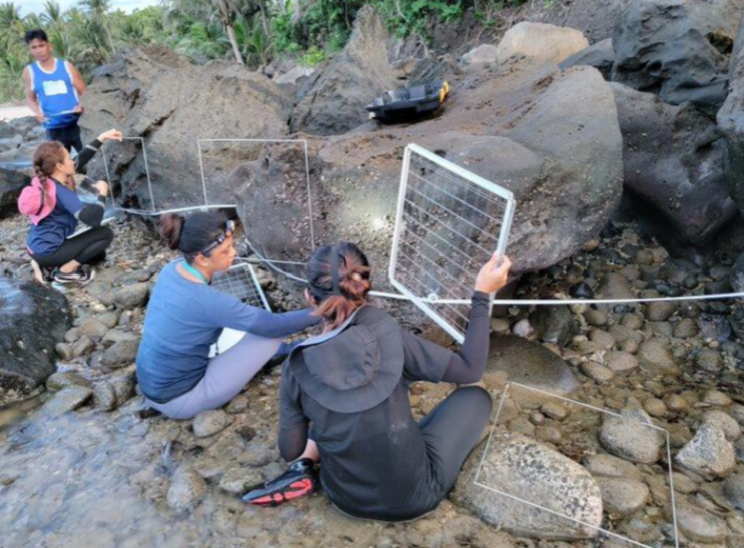
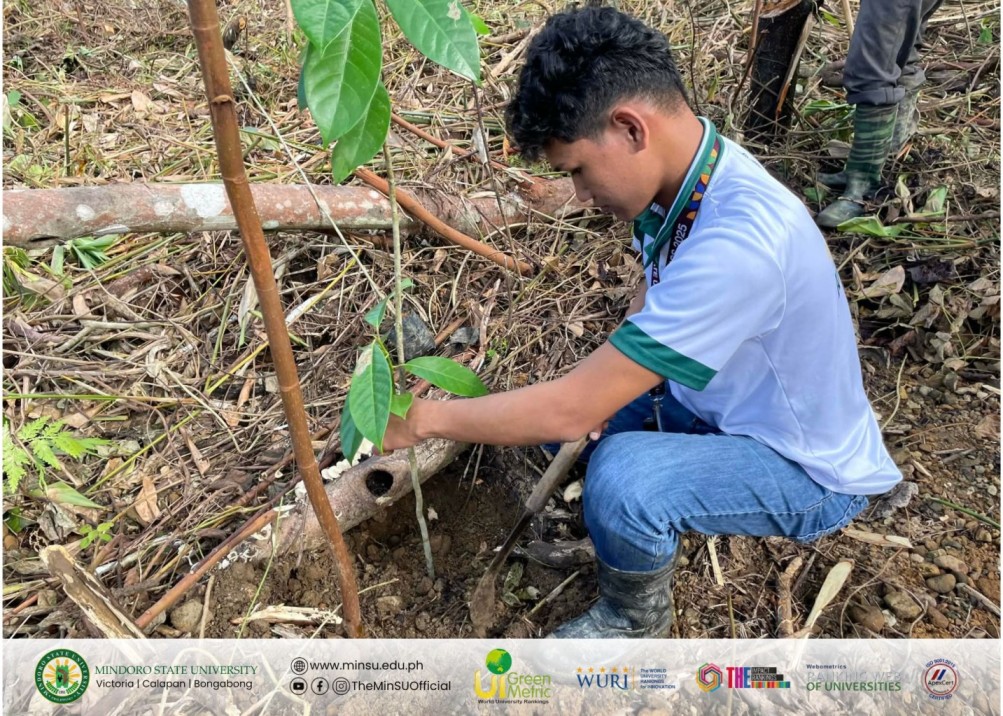
The study focused on different tidal heights—low, mid, and high shore zones—allowing for a detailed examination of the distribution of oil residues and the ecological changes across these areas. Special attention was paid to the biological impacts, with quadrats being used to sample invertebrates and other sessile species along the transects. Portable drilling machines were also deployed to extract rock chips for further analysis, including chlorophyll measurements that served as indicators of the health of photosynthetic organisms.
With no baseline data available for Pola’s rocky shore ecosystems, the research team sought to identify unaffected reference sites for comparison. However, an ocular inspection revealed that all coastal barangays in Pola, including the rocky shores, had been impacted by the oil spill. Consequently, the team expanded their study to include comparative assessments in the neighboring Municipality of Mansalay.
Two sites were selected for the comparative analysis: Brgy. Don Pedro (12.47844° N, 121.44325° E), with an area of 106.36 m², and Sitio Palaypay in B. Del Mundo (12.51854° N, 121.46384° E), covering 77.812 m². Both sites were characterized by basalt rock formations and tidal flats, making them suitable for comparison with the affected sites in Pola. The assessment, conducted with the support of the Bantay Dagat (sea patrol), took place on July 18 and 19, 2023, after a preliminary ocular inspection.
The assessment revealed a total of 39 species across the two study areas, with 31 species identified in the affected areas and 28 in the reference sites. The identified species were classified according to their phylum, feeding habits, and behaviors, providing valuable insights into the biodiversity of the coastal ecosystems.
The study’s findings highlighted the significant impact of the oil spill on the affected marine areas. Oil residues were detected in 66% of mid-shore transects and 54% of low-shore transects. In contrast, algae and lichens were most abundant in low-shore areas, covering 93%, followed by 37% in mid-shore transects, with the lowest coverage in high-shore zones. These results point to a dramatic shift in species abundance and diversity, as well as changes in chlorophyll-a concentrations, signaling the spill’s detrimental effects on the ecosystem.
The rapid environmental assessment conducted by MinSU and UPV underscores the devastating consequences of the MT Princess Empress oil spill on the rocky shore ecosystems of Oriental Mindoro. The presence of oil, the shifts in species abundance, and changes in chlorophyll-a levels all indicate that the spill has significantly disrupted the ecological balance of the affected areas. The study serves as a critical step in understanding the long-term effects of such environmental disasters and highlights the urgent need for effective monitoring, assessment, and prevention measures to protect vulnerable aquatic ecosystems.